The Benefits of Massage Therapy for Rheumatoid Arthritis Patients
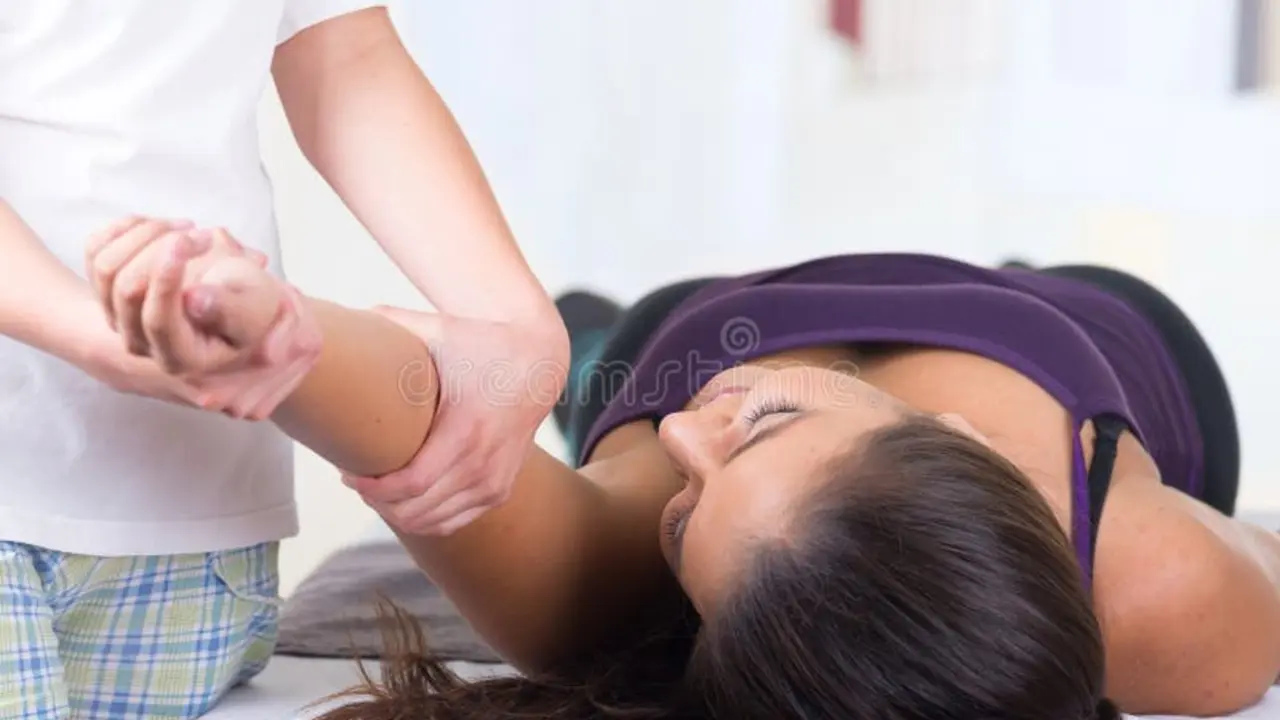
Discovering the Magic: How Massage Therapy Works for Rheumatoid Arthritis
Have you ever had one of those unending days where you feel as if you have lugged a hundred-pound backpack up Mount Everest? Your body quivers, your mind feels foggy, and your legs feel like they could crumble any second. And on top of that, you have rheumatoid arthritis. That's when I say, "Calm down, Carter. It's time to get a massage." No, no, folks, not all massages are a luxury or a pampering treatment reserved for spa days. They can actually offer amazing benefits for individuals living with rheumatoid arthritis, like me.
My cat Bella, a Maine Coon with a sassy attitude, may not comprehend the concept of massage therapy, but boy does she loves when I knead her fur! She practically turns into melted butter. So why wouldn't humans respond positively to a massage with the similar sense of comfort, relaxation and all those wonderful endorphins it releases? But enough about Bella, back to the topic at hand. So, what is the magic behind massage therapy for rheumatoid arthritis? Let's find out!
Unraveling the Mystery: The Science Behind Rheumatoid Arthritis
Before we dive headlong into the beneficial world of massage therapy, it's crucial to briefly understand what rheumatoid arthritis is all about. Rheumatoid arthritis is essentially an autoimmune disorder, a case of mistaken identity if you will, where your body's immune system plays the villain by attacking its own tissues, specifically the synovium that lines the joints.
Ever stepped on a lego piece? Multiply that pain by a hundred; that could just be your morning greeting if you have rheumatoid arthritis. Chronic inflammation, swollen joints, stiffness and pain - it's an agonizing cocktail that no one ordered. But fret not friends, because where modern medicine leaves gaps, complementary therapy steps in. And this is where our hero, massage therapy, saves the day.
Decoding the Serenity: Understanding Massage Therapy
Everyone loves receiving a good massage, right? Well, as far as I can tell, massage therapy dates back to ancient cultures and has been used for millennia to restore balance in the body. It literally involves kneading and manipulating the soft tissue of the body to promote relaxation, improve circulation, reduce muscle tension, and enhance overall wellness.
Kind of like how kneading bread dough helps it rise and makes it fluffier. Except in this case, the kneading helps your body feel less like a stiff bread loaf and more like a fluffy croissant! As a matter of fact, massage therapy is so effective that it's used as a complementary treatment for a myriad of health issues, such as injuries, stress, chronic disorders and, you guessed it, rheumatoid arthritis.
Feeling the Magic: The Impact of Massage Therapy on Rheumatoid Arthritis
So here we are, at the heart of it all - how massage therapy benefits those with rheumatoid arthritis. Studies have shown time and again that massage therapy can play a significant role in managing the symptoms of rheumatoid arthritis. But how precisely does it achieve this? The answer lies in the basic objectives of massage therapy - reducing muscle tension, improving circulation, promoting relaxation, and enhancing overall wellness.
To illustrate this, think about how you feel after a really good stretch when you wake up in the morning. Your muscles are relaxed, your blood is flowing nicely, and you feel all loose and relaxed (unless you've accidentally kicked Bella in the process, in which case, expect an upset cat and a probable scratch)! Well, with massage therapy, the effects are very similar, if not better.
Experiencing the Transformation: Personal Account
Now, remember when I mentioned about that 40% chance of spilling some personal beans? Well, here it is. As someone who lives with rheumatoid arthritis, I decided to give massage therapy a shot, and it made a world of a difference. It was like this heavy, gloomy cloud of pain was lifted and I could move freely and easily shortly after my sessions.
I won't lie, the first time was a tad uncomfortable because, let's face it, having someone knead your inflamed joints isn't exactly my idea of a good time. But the relief and improvement I felt afterward were worth it. Plus, my mood drastically improved - possibly due to the pain relief, or maybe because I was just glad to have survived my first session!
Savoring the Relief: Tips and Tricks for Effective Massage Therapy
If you're considering massage therapy to manage your rheumatoid arthritis symptoms, here are a few tips. First, bear in mind that softer is better. Unlike a deep tissue massage, a massage for rheumatoid arthritis should be gentle to avoid causing unnecessary pain or injury. Think gentle kneading, light strokes, and calming heat application to ease the discomfort.
Second, don't self-diagnose. Always consult with your healthcare provider before embarking on any new treatment, including massage therapy. They can guide you on the safe practices and even recommend a skilled massage therapist. Finally, always communicate with your therapist. Let them know your comfort level, pain points and any other concerns. Remember, this is about your comfort and relief.
Embracing the Bliss: Taking the Plunge into Massage Therapy
So there you have it, folks! Massage therapy can work wonders when it comes to managing rheumatoid arthritis symptoms. Yes, there might be a few apprehensions about trying something new, but as my experience shows, taking the plunge is definitely worth it.
Moving freely, living with less pain, and feeling more relaxed are simply magical. Imagine being able to chase Bella around without wincing in pain! So why let rheumatoid arthritis dictate your life? Try massage therapy, and you might just find it serves as a key to unlock a more comfortable and pain-free existence.
Always remember, each of our bodies respond differently to treatments. You may not experience instantaneous relief. It might get slightly uncomfortable before it gets better. Don't give up. You’re not alone in this journey. I'm with you, and so are many others.